Previously, I relied on Twitter for hyper local news and political/legal updates in real-time. I am now transitioning over to Mastodon instance that focuses on labor rights. I am finding this a suitable replacement. Give it a try and reach me at https://union.place/@Wlerik.
The most iconic location to view the Cherry Blossoms is obviously the Tidal Basin adjacent to the Jefferson Memorial. However, that area gets extremely crowded, and getting there by car is often a frustrating experience, unless you go very early in the morning and know where to park [Haines Point].
Haines Point
Nearby Haines Point is also a fabulous location see see them and depending upon the time of day, is much less crowded. There is a loop that you can bike, walk or drive. The southern most part of the loop is closed to cars until 7 am. You will have especially great views if you circumnavigate the whole loop.
It is always better to walk, Metro, or bike. Smithsonian Metro and/or L’Enfant Metro are not too far from great vistas. If you exit at L’Enfant Metro and follow this walking map [passing by the Spy Museum], you can cross over to Haines Point by bridge. https://goo.gl/maps/4q7Py9D9UkWXSH7A6
If you end up at the DC Wharf, which is a tourist destination itself, eat some seafood and/or buy a Cuban Coffee at the Colada Shop. There is also a Mexican restaurant there, Mi Vida, that has some nice outdoor seating [on three different levels], and if you go during lunch, there is a sampler menu item that is priced just right for the amount of food that you get. Otherwise, the food is very good, but a bit expensive. The Seafood Market is where all the locals go to buy seafood. One of the main vendors, just recently pulled up anchor and sailed away. Not sure where they went.
Stanton Park
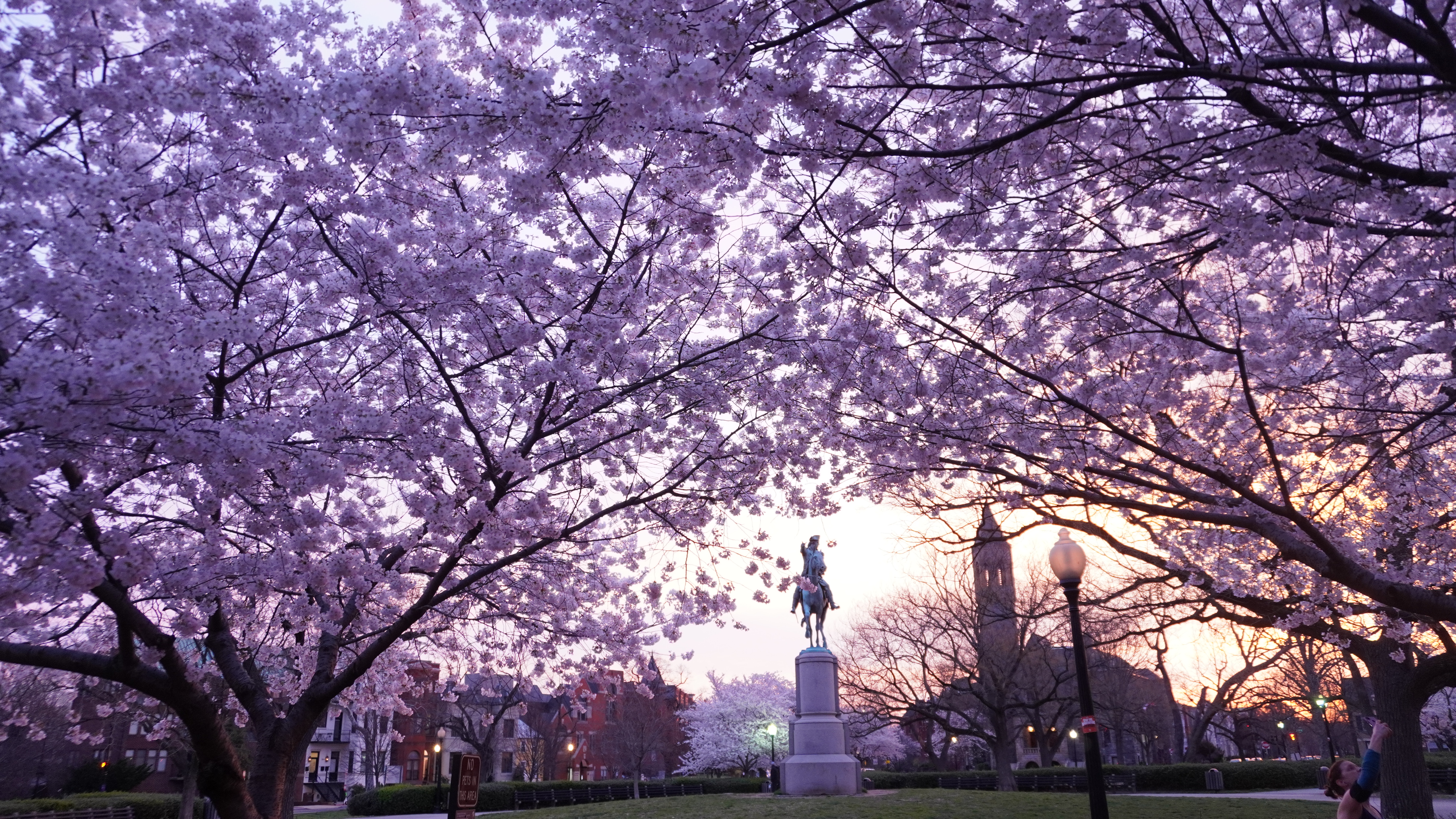
There are lots of other places to view the Cherry Blossoms. One that is nearby and frequently overlooked is Stanton Park. Though it is a very small park, the trees are spectacular and there are not large crowds to contend with.
Nearby are some great restaurants, including my favorites: Cafe Berlin [great outdoor space] and Nostra Cucina. If you amble further north to the H St. area, there are tons more great options including: Laos in Town [great outdoor space], Ethiopic, and Cane.
Further north and west, you can view them in Bethesda’s Kenwood neighborhood. I believe sometimes they bloom there a few days later than around the Tidal Basin. This year, Stanton Park seemed in peak bloom before the other areas, second was the Tidal Basin, and third was Haines Point.
Sunrise or sunset are usually the best times to view them and to take photos.
Around Lafayette Square and especially in from of the U.S. Treasury Building on 15th and Pennsylvania, there are also some very pretty trees that have gorgeous pink flowers, but are not Cherry Blossoms.
Also, the National Arboretum never disappoints.
Congressional Cemetery
Oxon Run Park – Has over 200 cherry blossom trees! Location: 1200 Mississippi Ave SE, Washington, DC 20032
Montrose Park – A great option if you have kids, because there is a playground in the park. Location: 3052 R St NW, Washington, DC 20007
Oak Hill Cemetary – It boasts not only cherry blossoms but also magnolias. Location: 3001 R St NW, Washington, DC 20007
The Basilica of the National Shrine of the Immaculate Conception Cherry Blossoms
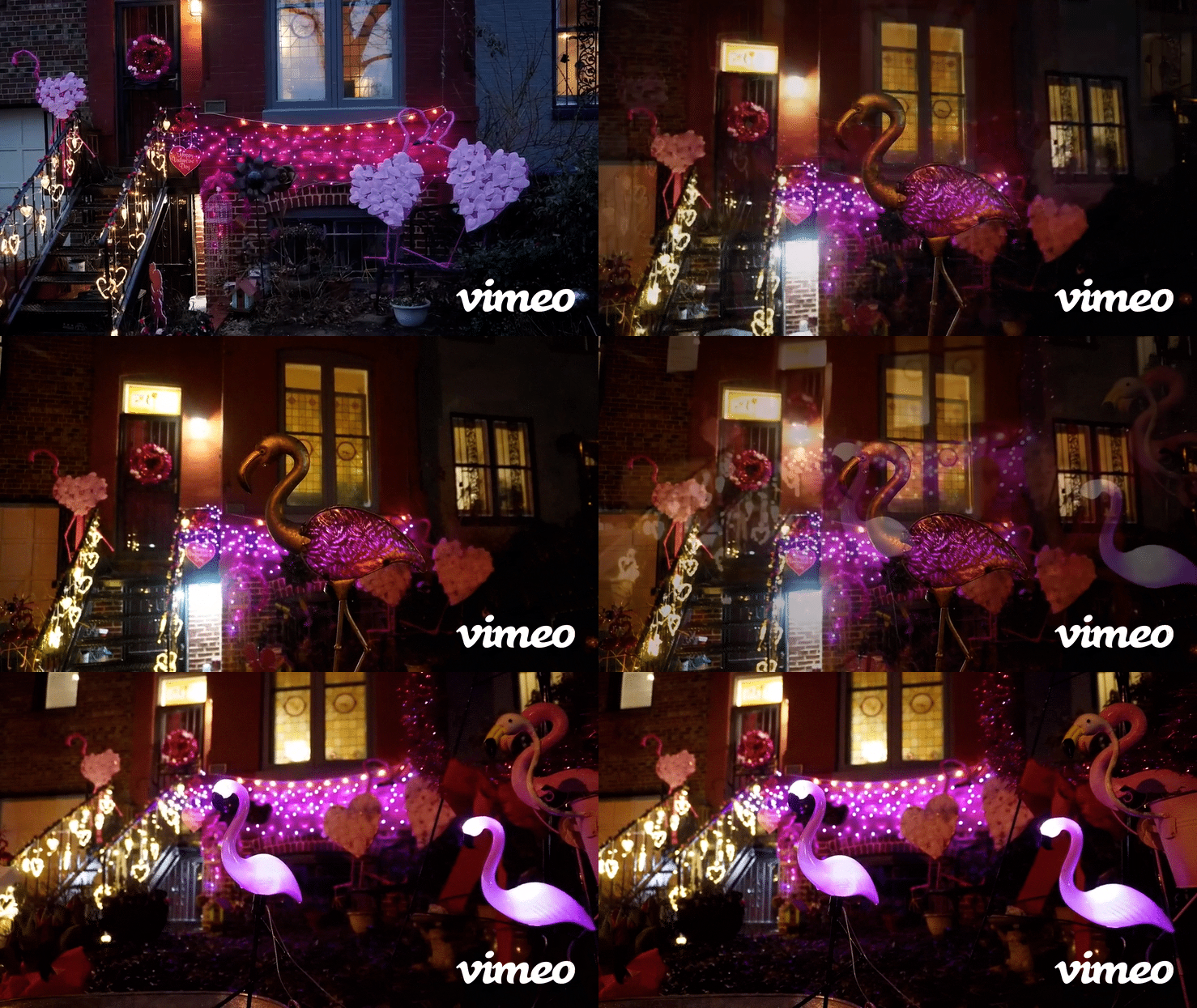
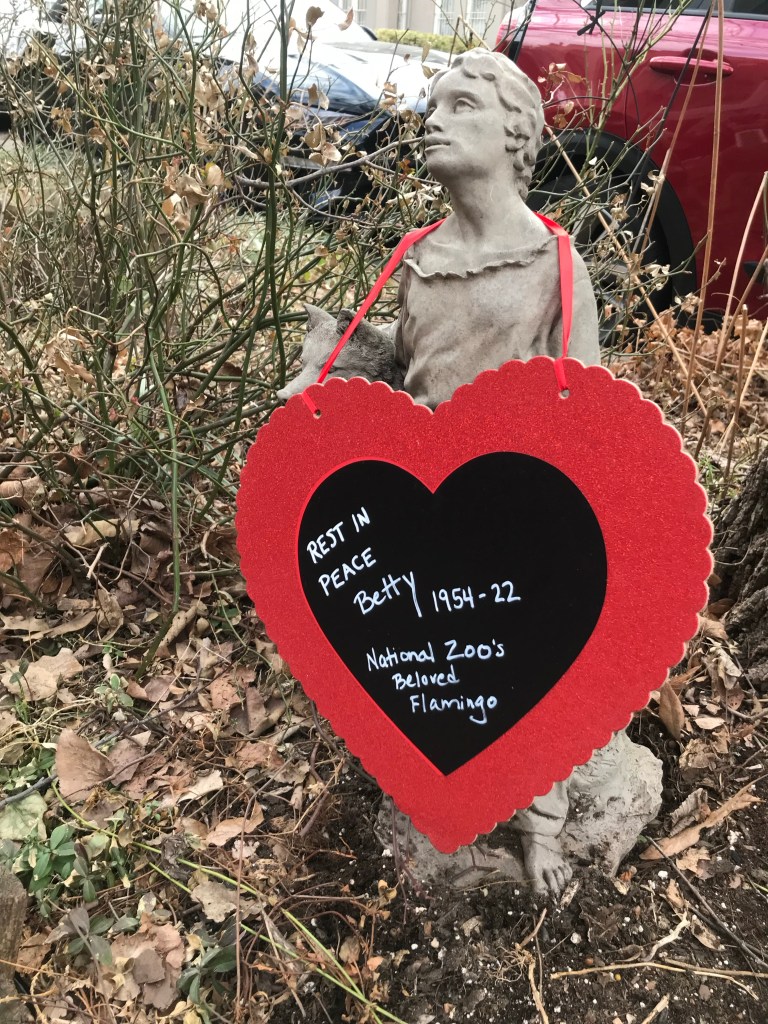
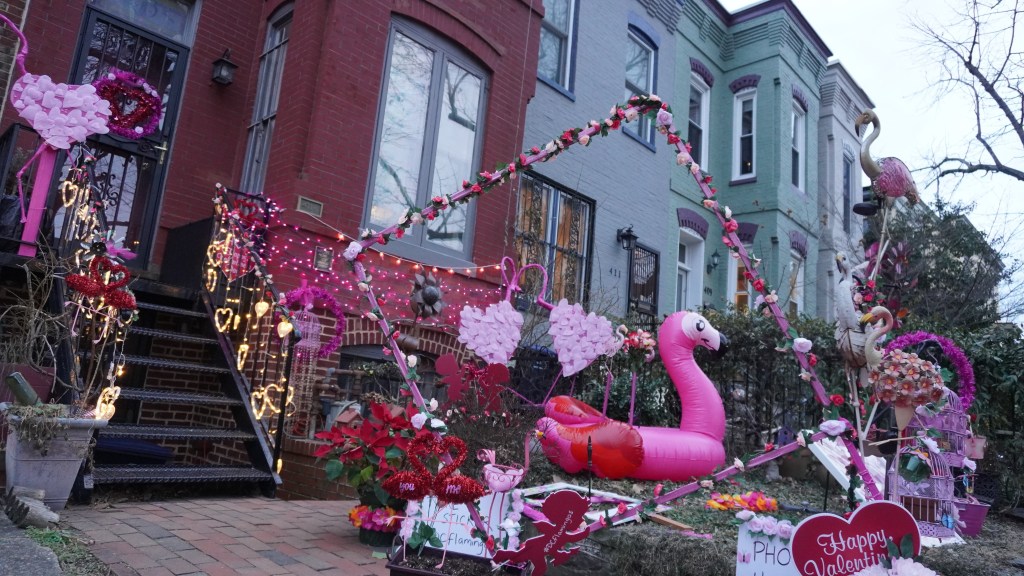
The great flamingo matriarch of the National Zoo, Betty, died last month. In her honor, we are dedicating our Valentine’s Day yard art (video below) in her memory. Our yard display brings us great joy to see how much the kids in the neighborhood enjoy it and interact with it: https://twitter.com/theHillisHome/status/1491590291886952450
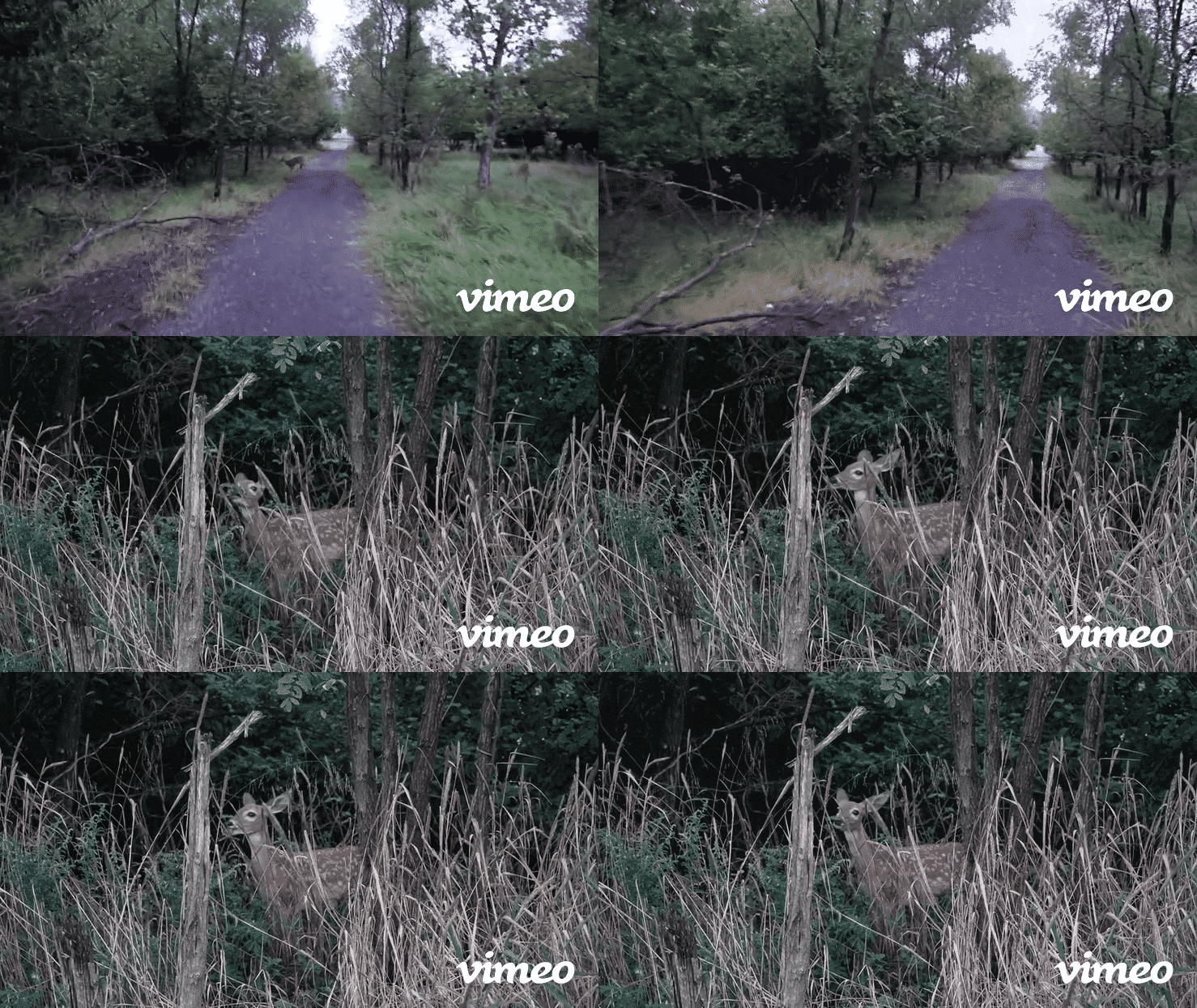
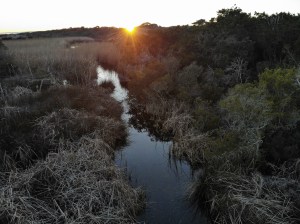
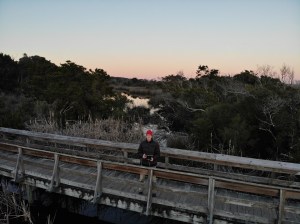
Lately, I have been biking the Anacostia River Trail in the morning. It is absolutely, one of the most spectacular urban bike trails in the U.S. While it is only a few miles from downtown, when you are on it, you almost feel transported to a rural wilderness wildlife preserve.
Some mornings, I am so eager to get on the trail, that I do not wait for the sun to rise.
The wildlife (mostly birds, fish and deer) and the imagery (trees, wetlands, shrubs, and flowers) are fantastic.
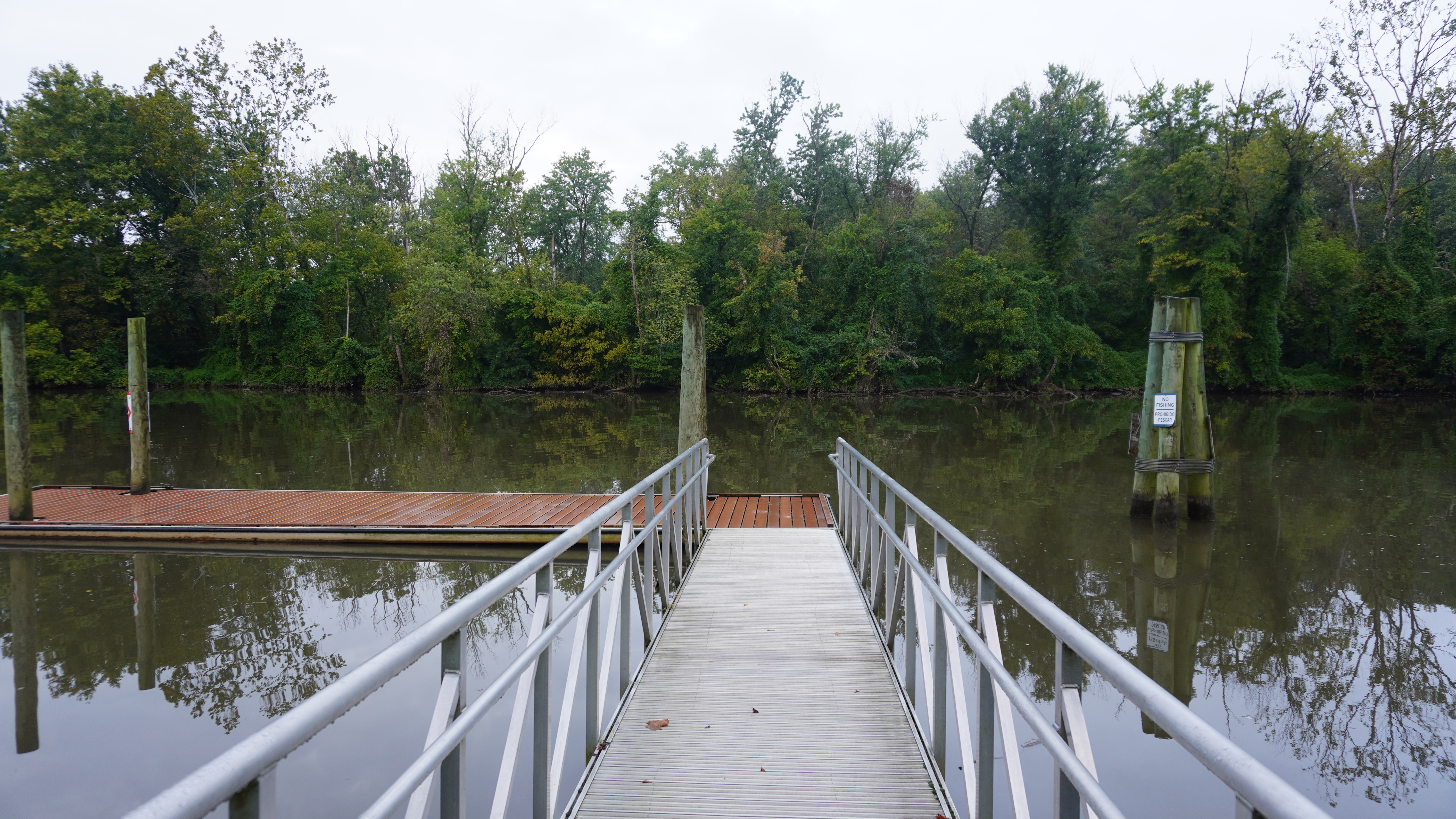
There is a dock just south of the Bladensburg Waterfront Park that is my usual destination.
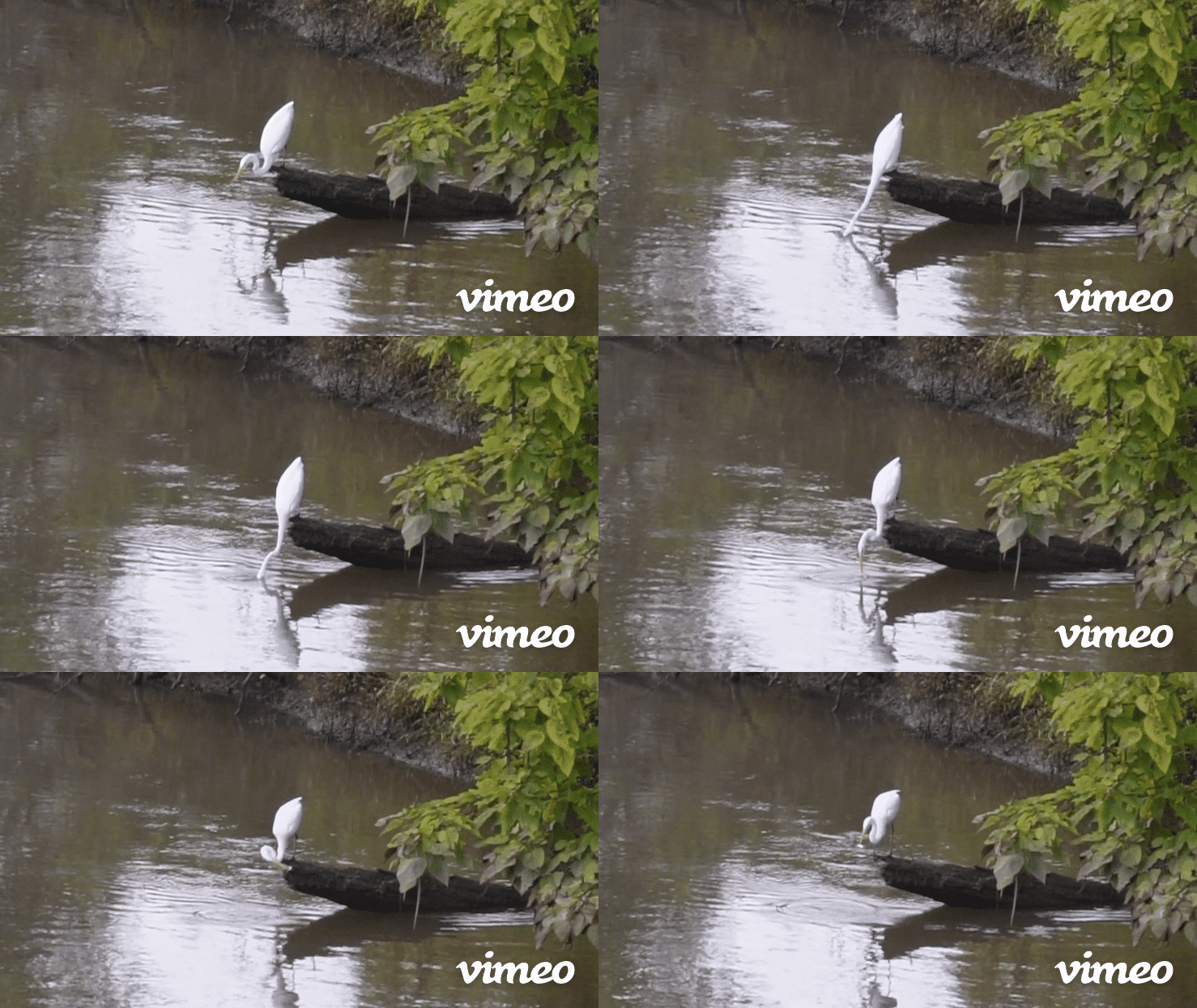
I usually bring my camera and make believe that I am on a safari, trying to capture a clear image of the herons catching a fish. The trail extends into PG county and I am always hopeful that I will have a zebra sighting.
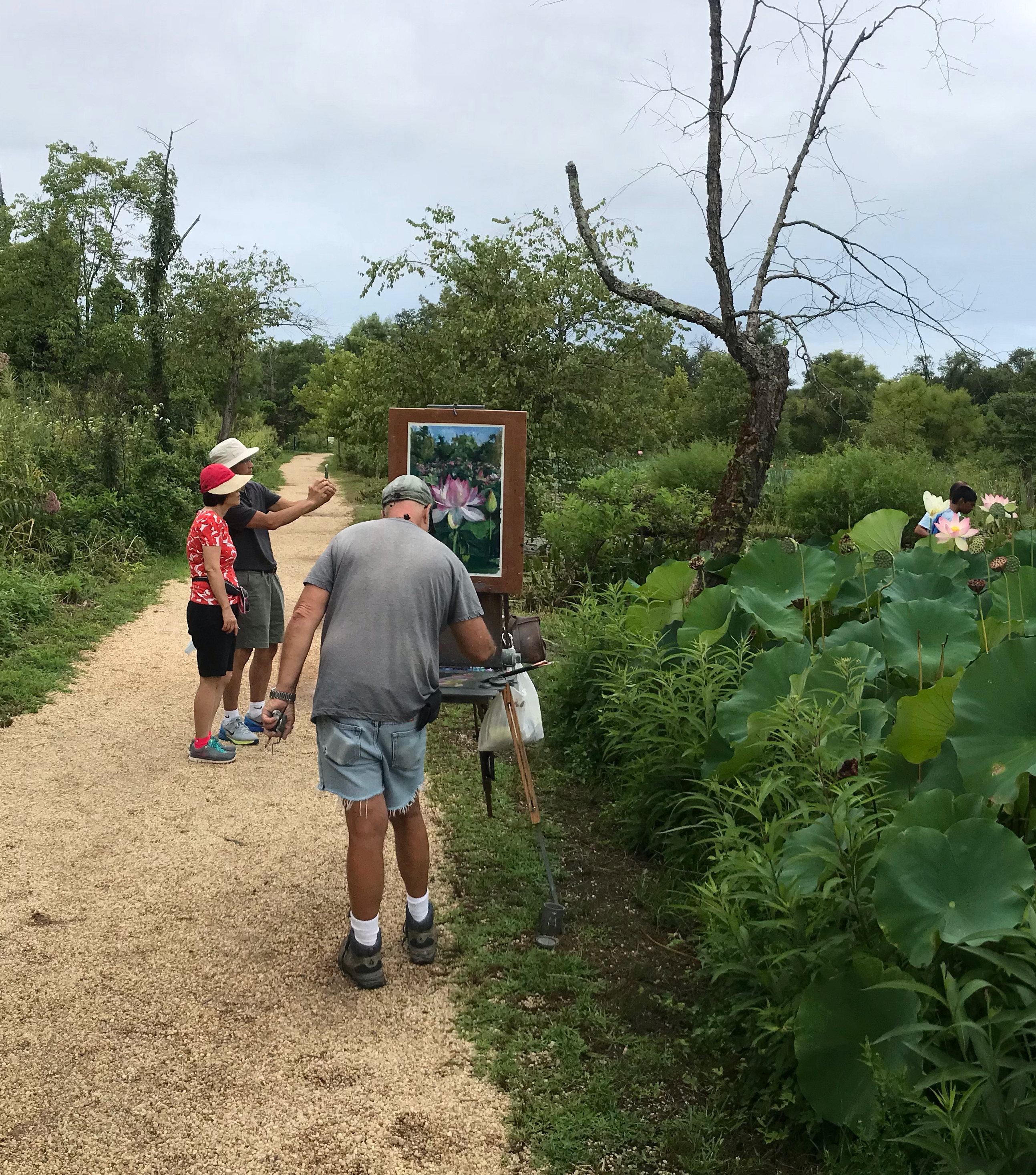
Sometimes, I visit the Kennilworth Aquatic Gardens. There is a back entrance, right from the trail.
The National Arboretum is just across the river. A pedestrian bridge is in the planning stage to connect the two.
Here is a link to my latest Anacostia River Trail videos:
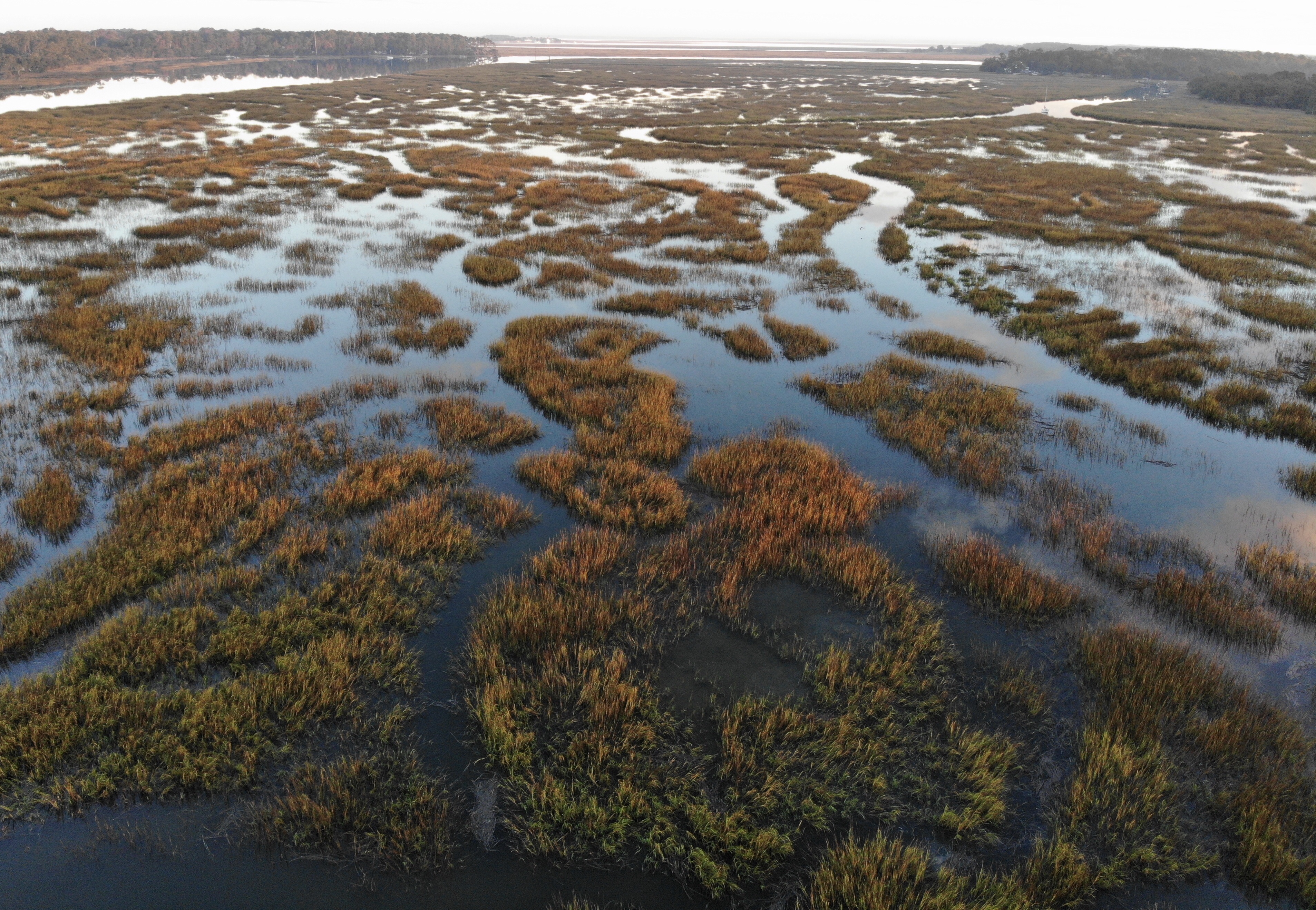
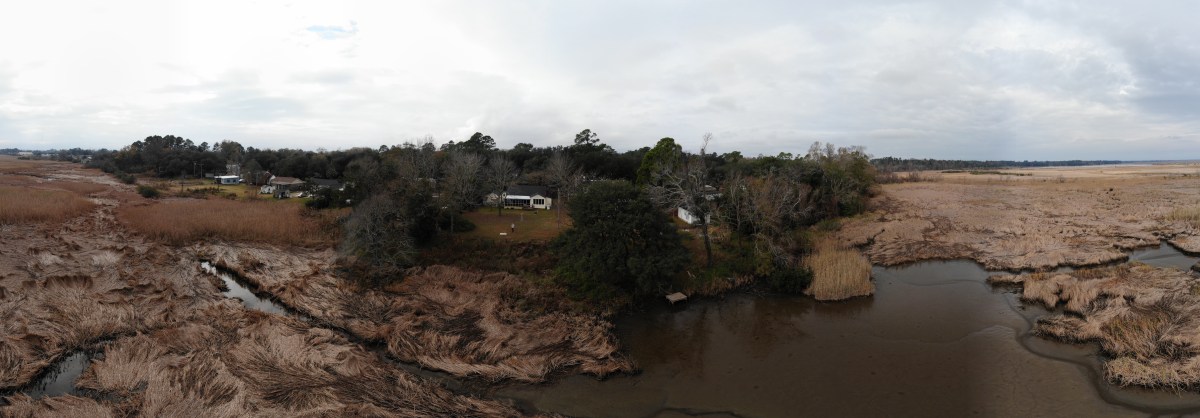
We decided to take another RV trip to visit friends and family in SC. We tried to stay safe by only visiting outside. Since I am unable to fly my drone here in DC, I was happy to be able to capture some amazing photos and video. Below are just a few of the photos. (Click here to view video.)
I had never been to Beaufort, and was quite taken by the beauty of the marshes all around. We stayed two nights on Saint Helena Island, which is actually comprised of many different islands. Huntington Beach State Park was also quite beautiful.
St. Helena, SCSt. Helena, SCHuntington Beach State Park Murrells Inlet, SCHuntington Beach State Park Murrells Inlet, SCHuntington Beach State Park Murrells Inlet, SC
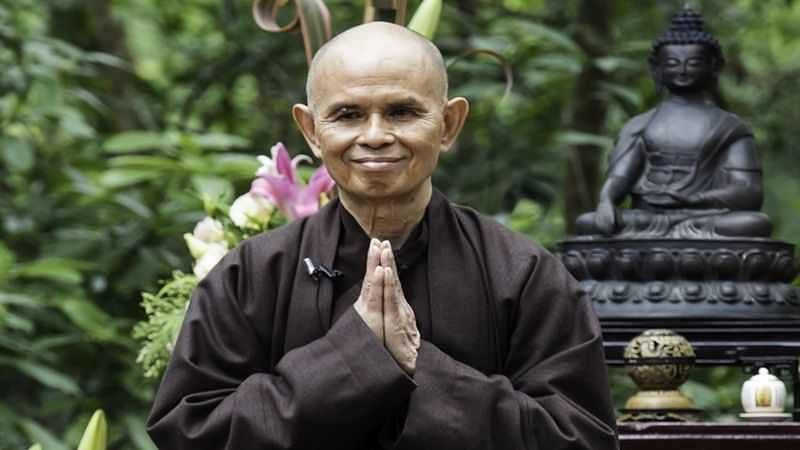
Life is about being present and enjoying the things you are doing, even if they are mundane and not inherently enjoyable. Below (from Thich Nhat Hanah) is something to think about each time you now spend a whole minute (or at least 20 seconds) washing your hands correctly: https://m.youtube.com/watch?v=3PmVJQUCm4E
A more intimate view into a family’s life is hardly possible.
Lots of thought provoking films at AFI Docs Festival this yeas, as usual. One of the more immediate films I saw last night was called 17 Blocks. A more intimate view into a family’s home, I could not imagine. Filmed over 20 years, just blocks away from where I live, it provided me a view of the neighborhood that I had only seen from a distance. While I do bike through all parts of the city and follow local political discourse on blogs and neighborhood List-serves, I don’t really know what happens behind closed doors. And if I do know or read about something in the paper, it is still less real than witnessing it from someone’s kitchen and listening to those who have lived it and must deal with the consequences day after day.
The previous evening I watched a similar film about the same topic, After Parkland, which was also deeply moving. The effect of a bullet is the same, whether the victim is rich or poor. Both films take the viewer into their living rooms, where one can see and hear their most intimate thoughts. The subjects’ lives could not be more different, but the pain and sorrow are identical.
Documentary film is ideal for rekindling ones awareness of human suffering. Sparking in the viewer the sense that they should do more to address situations effecting the community in which they live, whether it be a few blocks away, or on the other side of the country. Normally, it is easy to focus on your immediate needs and family, but great documentary film forces you to take a more expansive view, which then demands action. These film will open many people’s eyes to what they would rather not see. It will spur them to take action, whether it be donating money or time, or being more mindful of how their actions/inactions have consequences. It is increasingly more difficult to ignore the fact that as citizens we have a moral and ethical duty to be active participants in the world, not just idol bystanders.
l am looking forward to doing something, perhaps more that just donating money. According to Molly Ivans, the subject of another film at the festival: “What you need is sustained outrage…there’s far too much unthinking respect given to authority.” “You can’t ignore politics, no matter how much you’d like to.” “In truth, there is no rational argument for guns in this society. This is no longer a frontier nation in which people hunt their own food. It is a crowded, overwhelmingly urban country in which letting people have access to guns is a continuing disaster.”
I just watched Roma on Netflix. It transports the viewer to Mexico City in the 1970s. The cinematography is outstanding, shot entirely in black and white. The plot is compelling and the characters are very real. There is plenty of drama and emotion, but also a lot of tranquil long-held shots without human characters. This gives the built environment a role in the film. The sets are recreated with exactitude and the soundscape is also compelling. Combined, these attributes almost place the viewer into the scenes. The indigenous maid, Cleo, plays the staring role, and her relationships with the other characters is quite impactful, and reminiscent of the role played by Viola Davis in The Help.
As an aside, apparently, despite being nominated for Best Supporting Actress, Davis says she regrets doing that role.
Cleo is played by Yalitza Aparicio, a pre-school teacher from Oaxaca, who is making a lot of waves for a first time actress.
I’m just learning to fly my new drone and here is a short video I made with some of the initial footage. While it is fairly easy to fly, there is a lot to learn, because it has so many features. This footage was taken from the back yard of the house where my wife’s brothers live in Georgetown, SC. As you can see, there is a great big marsh. It exists upon the remains of the rice paddies that prospered here before the Civil War in what was called the Willowbank Plantation. While you can’t quite see the rivers, they are in the distance. There are two rivers in the marsh: The Black and The Waccamaw. If the drone goes down in the marsh, it is essentially lost forever in the Pluff Mud.